
Rishabh Pant’s Test spot no longer guaranteed: Can he retain his edge in a three-way battle?
Somshuvra Laha
hindustantimes|14-08-2026
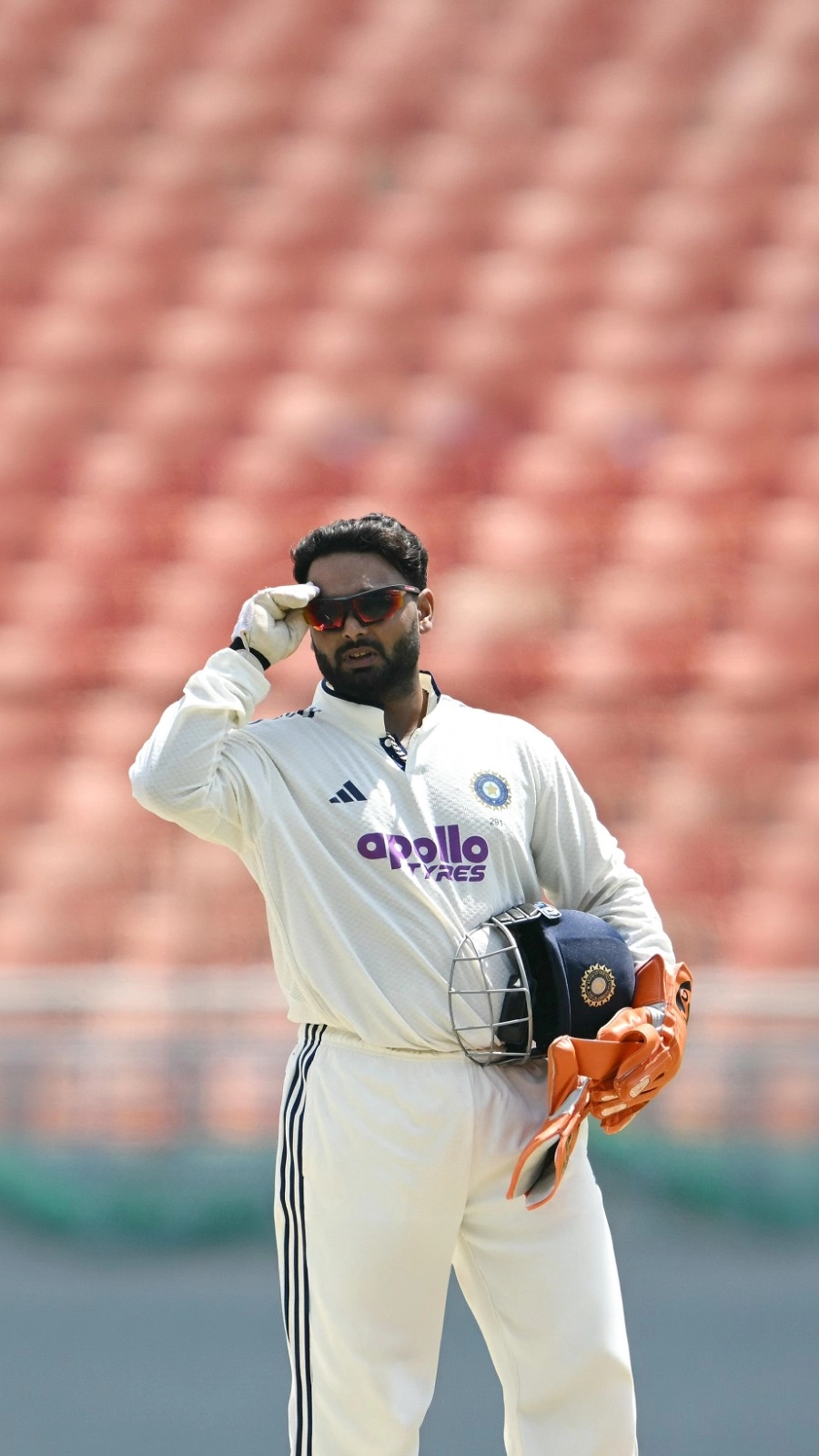
For years, Rishabh Pant has been India's most exhilarating and frustrating cricketer in equal measure. His game has never been about convention; he hits when others defend, he attacks when others consolidate, and he thrives on chaos when most seek stability. It is this very approach that has produced some of India's most memorable Test victories, from Brisbane to Sydney to Ahmedabad. But it has also, at times, left fans and selectors tearing their hair out.
Now, for the first time in his career, Pant's place in India's Test side is no longer a foregone conclusion. The emergence of Dhruv Jurel and the resurgence of Ishan Kishan have created a three-way battle for the wicketkeeper-batter's slot, and Pant finds himself in unfamiliar territory fighting to retain his edge.
The warning signs first appeared last November in Guwahati, when head coach Gautam Gambhir delivered a pointed message during a press conference. Without naming anyone, he spoke about the difference between playing with freedom and "playing to the gallery." The subtext was impossible to miss. India's patience with Pant's high-risk approach may finally be wearing thin, especially when the results don't always justify the method.
Dhruv Jurel presents the most immediate challenge. The young wicketkeeper has quietly gone about his business with minimal fuss and maximum efficiency. His keeping is sharp and reliable, his temperament unflappable, and his batting—though less explosive than Pant's—offers solidity and composure in the middle order. Jurel doesn't need to dominate a game to influence it; he simply does his job without drama, a quality that increasingly appeals to the current management.
But the more intriguing contender is Ishan Kishan. Like Pant, Kishan is a left-handed batter who plays with natural aggression and a risk appetite. For a long time, his red-ball credentials remained unproven, but his recent performances have changed that perception. A strong T20 World Cup campaign followed by productive domestic outings have made him a serious option for Test cricket, not just white-ball cricket. He offers the same match-changing potential as Pant, with perhaps a more refined game against pace and spin in recent months.
The selection dilemma boils down to a simple question: What does India value more? Jurel offers reliability and safety. Kishan offers explosive potential similar to Pant. And Pant offers experience and a proven track record of delivering on the biggest stages, but with an occasional lack of consistency that has started to frustrate the team management.
Former chief selector MSK Prasad remains firmly in Pant's corner. Speaking on the matter, he emphasized that Pant is India's only wicketkeeper-batter to have scored runs in all SENA countries, a remarkable achievement that cannot be dismissed based on a few low scores. "He was the number one wicketkeeper-batter in the world just a year ago," Prasad said. "A few innings here and there cannot write him off."
Still, the competition is real. Pant's monopoly over the wicketkeeper's role has ended. Whether he can reclaim his dominance depends on how he responds to this pressure. The upcoming Test series against Sri Lanka offers him the perfect platform to silence his critics. If he delivers with the bat and remains sharp behind the stumps, the debate may fade. But if he fails, Jurel and Kishan are waiting in the wings, ready to seize their opportunity.
One thing is certain: Indian cricket has never had such depth in wicketkeeping options. For Pant, the battle is no longer about proving he can win matches; it's about proving he can do so consistently, without the chaos that once defined his game.
Now, for the first time in his career, Pant's place in India's Test side is no longer a foregone conclusion. The emergence of Dhruv Jurel and the resurgence of Ishan Kishan have created a three-way battle for the wicketkeeper-batter's slot, and Pant finds himself in unfamiliar territory fighting to retain his edge.
The warning signs first appeared last November in Guwahati, when head coach Gautam Gambhir delivered a pointed message during a press conference. Without naming anyone, he spoke about the difference between playing with freedom and "playing to the gallery." The subtext was impossible to miss. India's patience with Pant's high-risk approach may finally be wearing thin, especially when the results don't always justify the method.
Dhruv Jurel presents the most immediate challenge. The young wicketkeeper has quietly gone about his business with minimal fuss and maximum efficiency. His keeping is sharp and reliable, his temperament unflappable, and his batting—though less explosive than Pant's—offers solidity and composure in the middle order. Jurel doesn't need to dominate a game to influence it; he simply does his job without drama, a quality that increasingly appeals to the current management.
But the more intriguing contender is Ishan Kishan. Like Pant, Kishan is a left-handed batter who plays with natural aggression and a risk appetite. For a long time, his red-ball credentials remained unproven, but his recent performances have changed that perception. A strong T20 World Cup campaign followed by productive domestic outings have made him a serious option for Test cricket, not just white-ball cricket. He offers the same match-changing potential as Pant, with perhaps a more refined game against pace and spin in recent months.
The selection dilemma boils down to a simple question: What does India value more? Jurel offers reliability and safety. Kishan offers explosive potential similar to Pant. And Pant offers experience and a proven track record of delivering on the biggest stages, but with an occasional lack of consistency that has started to frustrate the team management.
Former chief selector MSK Prasad remains firmly in Pant's corner. Speaking on the matter, he emphasized that Pant is India's only wicketkeeper-batter to have scored runs in all SENA countries, a remarkable achievement that cannot be dismissed based on a few low scores. "He was the number one wicketkeeper-batter in the world just a year ago," Prasad said. "A few innings here and there cannot write him off."
Still, the competition is real. Pant's monopoly over the wicketkeeper's role has ended. Whether he can reclaim his dominance depends on how he responds to this pressure. The upcoming Test series against Sri Lanka offers him the perfect platform to silence his critics. If he delivers with the bat and remains sharp behind the stumps, the debate may fade. But if he fails, Jurel and Kishan are waiting in the wings, ready to seize their opportunity.
One thing is certain: Indian cricket has never had such depth in wicketkeeping options. For Pant, the battle is no longer about proving he can win matches; it's about proving he can do so consistently, without the chaos that once defined his game.
Related News




Latest Newsmore

WATCH: Taskin Ahmed’s Bizarre Tongue-Out Dance After Green's Wicket Goes Viral
13-Aug-2026 • Prateek Thakur
Rohit Sharma Retirement Confirmed? Report Reveals His Possible Last ODI
13-Aug-2026 • Prateek Thakur
Deep Dasgupta said a big thing about Rishabh Pant's batting
13-Aug-2026 • Samira Vishwas

MI London were 23 for 5 at Lord’s, and Amelia Kerr’s 69 not out still won it
13-Aug-2026 • sportsadda

UPT20 League: Sameer Rizvi gives Superstars title hope
13-Aug-2026 • Samira Vishwas