
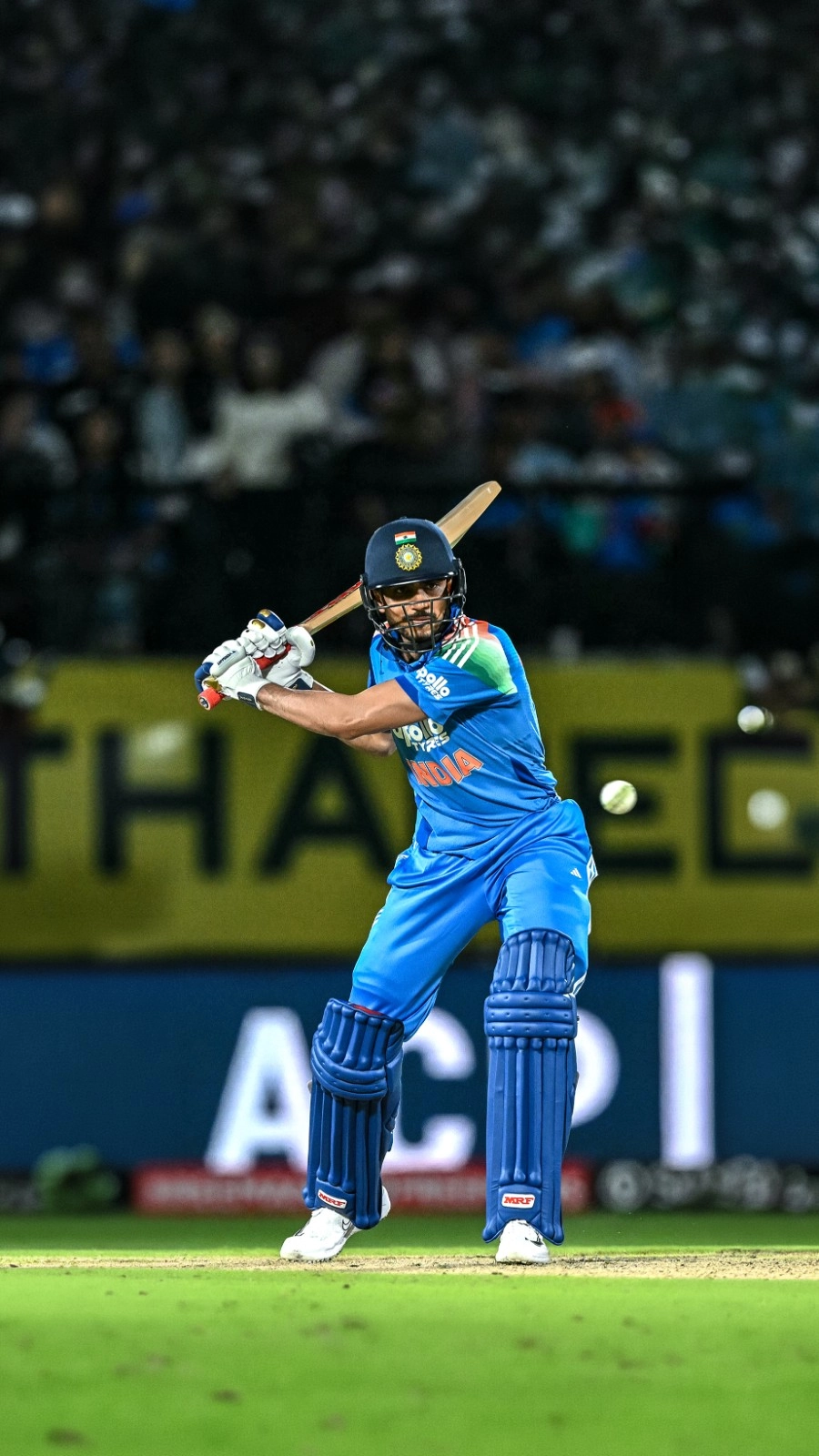
Shubman Gill flags India’s mounting fitness concerns
theshillongtimes
theshillongtimes|22-07-2026
India's tour of England ended in defeat, but the bigger worry for captain Shubman Gill isn't just the scoreline; it's the growing injury list that keeps tearing his squad apart. After India lost the ODI series 2-1, Gill didn't hold back. He made it clear that fitness has become a serious problem, and if the team doesn't fix it soon, the 2027 World Cup campaign could be in jeopardy. Speaking after the Lord's defeat, Gill revealed that at least five players from the original touring squad were unavailable for the series decider. That meant a different combination almost every game. "When one player gets injured, you have to play a different combination.
If two are injured, you play a different combination. If a player is missing after every match due to injury, somewhere we are missing a trick," he said. The biggest absence was Jasprit Bumrah, who suffered knee swelling after an impact in Cardiff and couldn't play at Lord's. England piled up 387 runs against an inexperienced attack, and Bumrah's presence was badly missed.
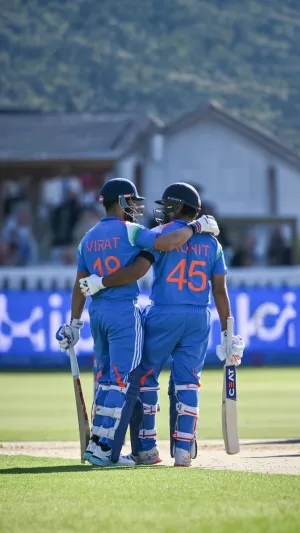
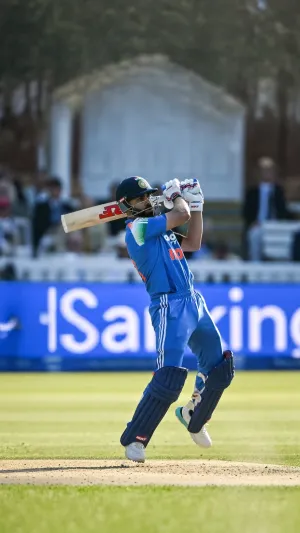
Hardik Pandya was also out recovering from back spasms; he then picked up a quadriceps strain during rehab and has now missed 11 international matches this year. Nitish Kumar Reddy, Harshit Rana, and Washington Sundar all broke down at different stages, while Varun Chakravarthy tore his hamstring and will miss the upcoming Zimbabwe T20Is. Even Virat Kohli battled a hamstring injury from the IPL final and only just passed his fitness test before the England tour. And Gill himself has been managing a recurring neck problem; he had to retire hurt after scoring 80 in the first ODI. What worries Gill most is the risk of playing someone who isn't fully fit.
"If someone is only 80 per cent fit and you're playing with five bowlers, there is always the risk of that player breaking down during the match. As a group, we need to improve our fitness," he said. With a packed calendar leading to the 2027 World Cup, India's medical and conditioning setup is now under the spotlight. Gill's blunt warning is a sign that the team knows the problem is real and that if they don't act fast, injuries could keep costing them when it matters most.
If two are injured, you play a different combination. If a player is missing after every match due to injury, somewhere we are missing a trick," he said. The biggest absence was Jasprit Bumrah, who suffered knee swelling after an impact in Cardiff and couldn't play at Lord's. England piled up 387 runs against an inexperienced attack, and Bumrah's presence was badly missed.
Hardik Pandya was also out recovering from back spasms; he then picked up a quadriceps strain during rehab and has now missed 11 international matches this year. Nitish Kumar Reddy, Harshit Rana, and Washington Sundar all broke down at different stages, while Varun Chakravarthy tore his hamstring and will miss the upcoming Zimbabwe T20Is. Even Virat Kohli battled a hamstring injury from the IPL final and only just passed his fitness test before the England tour. And Gill himself has been managing a recurring neck problem; he had to retire hurt after scoring 80 in the first ODI. What worries Gill most is the risk of playing someone who isn't fully fit.
"If someone is only 80 per cent fit and you're playing with five bowlers, there is always the risk of that player breaking down during the match. As a group, we need to improve our fitness," he said. With a packed calendar leading to the 2027 World Cup, India's medical and conditioning setup is now under the spotlight. Gill's blunt warning is a sign that the team knows the problem is real and that if they don't act fast, injuries could keep costing them when it matters most.
Related News



Latest Newsmore
BCCI To Make Big Call On T Dilip After Fielding Decline, Coach Misses Zimbabwe Tour
21-Jul-2026 • Prateek Thakur

Flight hours, miles of World Cup travels of FIFA’s Infantino in numbers
21-Jul-2026 • Samira Vishwas
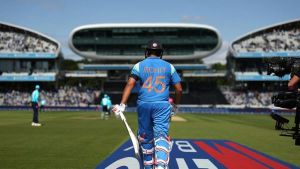
Fragile bodies, fragile bowling: India’s Lord’s defeat exposes deeper cracks
21-Jul-2026 • Samira Vishwas
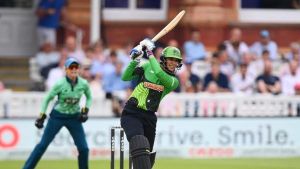
The Hundred 2026 — Smriti, Jemimah among four Indians set to feature
21-Jul-2026 • Samira Vishwas
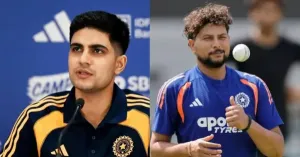
Shubman Gill explains decision to leave out Kuldeep Yadav in England ODI series
21-Jul-2026 • Sandy Verma