
No Cap With Megha Prasad | World Champions, But What's Gone Wrong With Team India?
Megha Prasad
abplive|11-07-2026
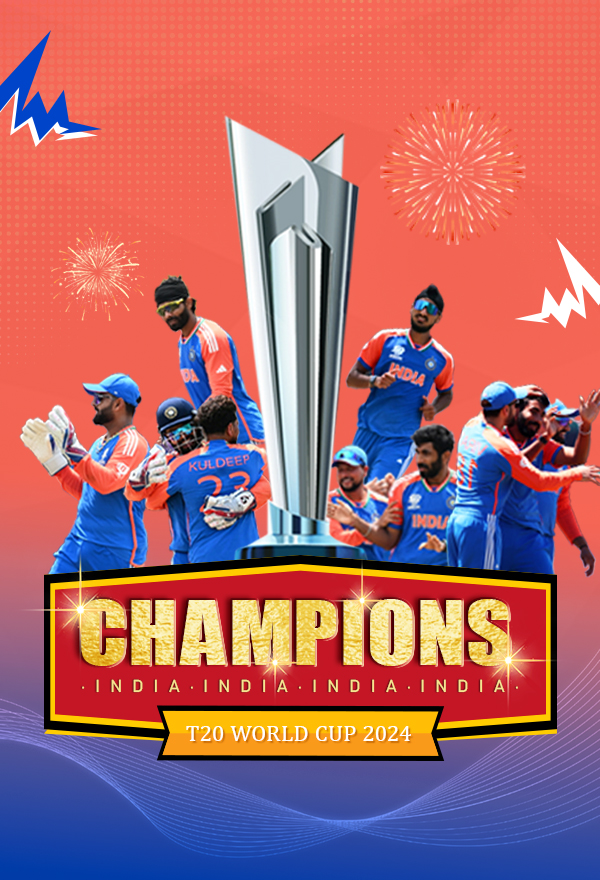
India entered the England series as the reigning T20 world champions, boasting arguably the deepest talent pool in world cricket and the world's most competitive domestic league.
Yet, successive defeats to Ireland and England have raised uncomfortable questions about whether the team is struggling to translate its dominance at home into consistent success overseas.
Heavy Defeats Expose Bigger Problems
The warning signs have been stark.
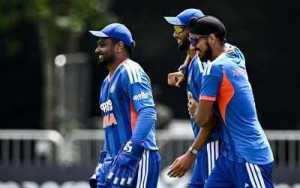
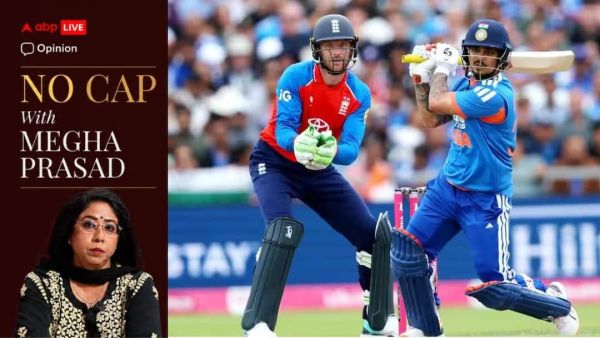
India were bundled out for just 76 at Trent Bridge, their second-lowest total in T20 internationals and their biggest defeat in the format. The setback was followed by another one-sided loss in Bristol, where England chased down India's 158-run target in just 13.5 overs with nine wickets in hand. More than the defeats themselves, it is the manner of the losses that has fuelled criticism, with the batting appearing uncertain and the team lacking a clear tactical approach.
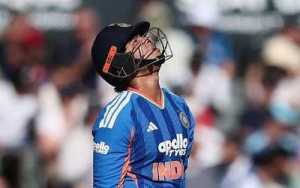
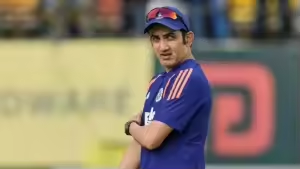
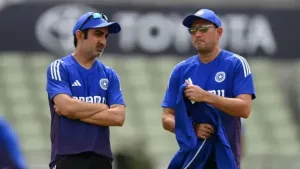
The spotlight has naturally shifted to head coach Gautam Gambhir, who has described the current phase as a transition. With several members of the World Cup-winning squad unavailable, youngsters like 15-year-old Vaibhav Sooryavanshi, Prince Yadav and Harshit Rana have been brought into the side. While rebuilding is expected, critics argue that transition cannot become an excuse for tactical confusion or constant experimentation without defined roles.
India's struggles have highlighted concerns over adaptability in overseas conditions. Against England, the batting unit often looked caught between attacking and rebuilding, while the bowlers struggled to execute consistent plans. Assistant coach Ryan ten Doeschate himself admitted that India have spoken extensively about adaptability but now need to "unpack that suitcase" and put those plans into action.
Captain Shreyas Iyer Faces Tough Questions
Captain Shreyas Iyer has also come under scrutiny. Although he has impressed as a leader in the IPL and contributed with the bat in Bristol, questions remain over his bowling changes, team combinations and batting order. While it would be unfair to place the blame solely on the captain, India's on-field decision-making has lacked the clarity expected from the defending world champions.
The selection strategy has added to the debate. With multiple talented players competing for limited spots, India appear to be juggling several objectives at once — preparing for the future, rewarding IPL performances, managing workloads and testing bench strength. As a result, uncertainty persists over the roles of players such as Sanju Samson, Tilak Varma and Shivam Dube, while frequent changes have prevented the team from settling on its strongest XI.
The inclusion of teenage sensation Vaibhav Sooryavanshi has generated excitement but also concern. While his talent is undeniable, expecting a 15-year-old to shoulder expectations in challenging overseas conditions may place unnecessary pressure on a player who is still developing. The issue, many believe, lies less with the youngster and more with the system surrounding him.
Reports suggest the BCCI is expected to review the team's performance after the series. However, the bigger challenge extends beyond one review. India need greater clarity over batting roles, finishing options, death bowling and squad selection if they are to maintain their status as the world's leading T20 side.
England Look Settled, India Still Searching
England, throughout the series, have looked like a settled team with a defined method. India, despite possessing enormous talent, have appeared to be searching for theirs. The aggressive brand of cricket that helped India lift the T20 World Cup has worked brilliantly on flatter pitches, but the England series has exposed weaknesses when conditions demand adaptability and tactical flexibility.
There is little reason for panic, given the quality available in Indian cricket, but the defeats have exposed cracks that cannot be ignored. A world champion can lose matches, but sustained performances that lack direction inevitably invite tougher questions. India now face the task of finding a clear blueprint rather than searching for excuses, as they look to rebuild momentum after a disappointing start to the England tour.