
Sandy Verma
Tezzbuzz|23-05-2026
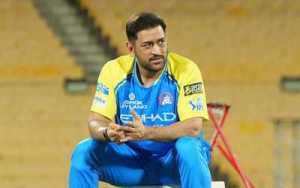
Chennai: Chennai Super Kings’ IPL 2026 campaign has come to a disappointing end, with questions mounting over the team’s decision to retain an unfit MS Dhoni without naming an injury replacement. The franchise’s early exit from the playoffs race has triggered debate among fans and experts about whether sentiment outweighed strategy during a crucial season.
The five-time champions were officially knocked out after failing to win their final three matches, bringing an end to a campaign that had promised much following a significant overhaul at the mega auction.
Dhoni’s absence raises key questions
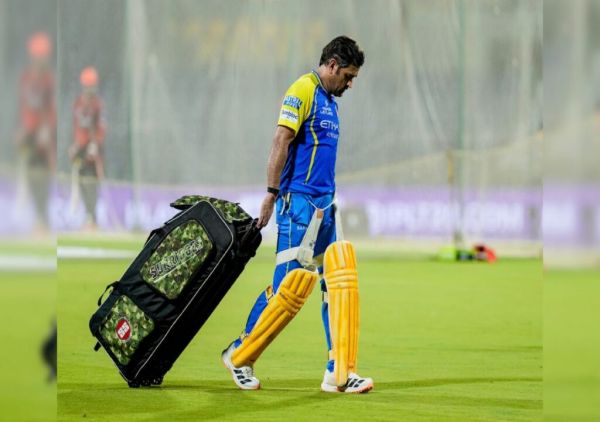
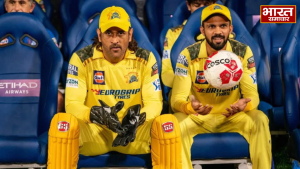
One of the biggest talking points of CSK’s season has been the complete absence of Dhoni from the playing XI. The 44-year-old veteran did not feature in a single match due to fitness concerns, despite fan anticipation of at least a farewell appearance in the closing games.
While his availability remained uncertain publicly, reports suggest the team management was aware that his chances of playing were minimal. Yet, CSK chose not to name an injury replacement, effectively carrying a player who did not contribute on the field throughout the season.
This decision has drawn criticism, especially as teams in the IPL are allowed to replace injured or unavailable players to maintain squad balance and competitiveness.
‘Limited squad’ admission from Gaikwad
CSK captain Ruturaj Gaikwad acknowledged the team’s struggles after their defeat to Sunrisers Hyderabad, pointing to limitations in squad depth.
“I think still, given the team that we had and limited squad and whatever best combinations we had, I’m still proud and I still feel we did well,” Gaikwad said.
While expressing pride in the team’s effort, his remark about a “limited squad” has raised eyebrows. Analysts argue that the situation could have been mitigated had the franchise opted for a replacement for Dhoni, thereby strengthening their bench.
Injuries compound CSK’s problems
CSK’s campaign was further derailed by injuries to key players, including overseas all-rounder Jamie and domestic talent Ramakrishna Ghosh. These setbacks disrupted team combinations at a crucial juncture in the tournament.
Gaikwad admitted that the side struggled to maintain balance in the playing XI during the final phase of the season.
“We were always playing a batter short or playing a bowler short in whatever last three games we played,” he explained after the loss to the Gujarat Titans.
The inability to field a full-strength and balanced XI highlighted the consequences of not utilising the replacement option available under IPL regulations.
Sentiment versus strategy debate
The decision to retain Dhoni despite his unavailability has sparked a wider discussion about the role of sentiment in team management. Known as one of the most iconic figures in IPL history, Dhoni commands immense fan following and brand value.
However, critics argue that prioritising the emotional connection with fans over practical squad requirements may have cost CSK dearly in a tightly contested tournament.
In a league as competitive as the IPL, where margins between qualification and elimination are often minimal, even a single tactical oversight can have significant repercussions.
A season of missed opportunities
CSK’s season began on a shaky note with a hat-trick of losses, but the team showed signs of recovery mid-season by finding the right combinations. However, recurring injuries and lack of depth prevented them from sustaining momentum.
The absence of experienced reinforcements from the bench meant that the team struggled to adapt to changing situations, particularly in the business end of the tournament.
Despite the challenges, Gaikwad and his team managed to remain competitive in patches, but inconsistency ultimately proved costly.
Conclusion
Chennai Super Kings’ IPL 2026 campaign serves as a reminder of the delicate balance between legacy and performance in modern cricket. While MS Dhoni’s presence continues to inspire millions, the decision to retain him without a viable replacement appears to have impacted the team’s chances.
As the franchise looks ahead to the next season, addressing squad depth and making pragmatic decisions could be key to returning to title contention. The lessons from this campaign underline that in elite sport, strategy must often take precedence over sentiment.
IPL 2026: Is Rajat Patidar playing in SRH vs RCB Match 67?
'Vaibhav Sooryavanshi has been made by God for this sport' - Kiran More draws parallel between RR prodigy and Sachin Tendulkar amid IPL 2026
Will MS Dhoni play for CSK in IPL 2027? Chennai Super Kings coach made a big revelation
'I have faced unreal hate and negativity' - "3D cricketer" Vijay Shankar retires from all cricket