
Sandy Verma
Tezzbuzz|28-01-2026
Water shortage in Delhi-Mumbai and Bengaluru, Chennai on the verge of drought
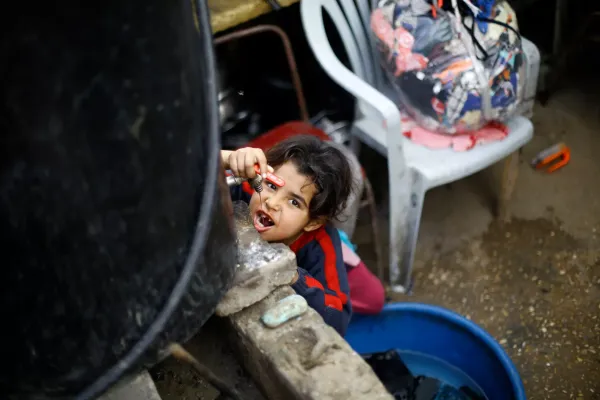
New Delhi/Chennai. In the new report of United Nations, it was told that half the population in the world i.e. about 4 billion people are facing water crisis. The report warns that half of the world’s 100 largest cities are facing severe water shortages. These include big cities like Delhi, Beijing, New York and Rio. According to the report, the situation is very serious in 39 cities. Delhi is at fourth place in the report. Kolkata is at 9th, Mumbai at 12th, Bengaluru at 24th and Chennai at 29th. Apart from this, Hyderabad, Ahmedabad, Surat and Pune are also facing water shortage for a long time.
Kabul, the capital of Afghanistan, could become the first modern city where water runs out completely. Mexico City is sinking at a rate of about 20 inches per year as groundwater is overexploited. There is a dispute going on in the southwestern states of America regarding the water of Colorado River.
4 billion people are suffering from water shortage
According to the report, rivers and lakes are shrinking, underground water levels are falling and wetlands are drying up. The land is sinking, sinkholes are forming and deserts are spreading. Every year about 4 billion people face water shortage for at least a month.
Chennai near day zero
Tehran is facing drought for the sixth consecutive year and is very close to Day Zero, i.e. the day when there will be no water left for the citizens. Cape Town and Chennai have also come close to this situation earlier. Kaveh Madani, director of the Institute for Water, Environment and Health Department of the United Nations University, says that we will have to learn to live with a new and limited reality.
Decline in lakes, glaciers and ground water
Since 1990, water has decreased in half of the world’s great lakes. The underground water reserves have continuously decreased by 70 percent. In the last 50 years, many of Europe’s wetlands have been lost. The size of glaciers has decreased by about 30 percent since 1970.






WPL 2026: Sophie Devine's Magical Final Over Helps Gujarat Pip Delhi By Three Runs

WPL 2026: Delhi lost the match, 5 runs were not scored in 4 balls, thrilling victory for Gujarat.

Glenn Maxwell extends Melbourne Stars' contract for two more years in BBL

Vidarbha recalls young pace sensation for must-win Ranji clash