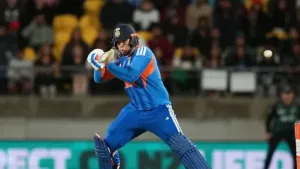

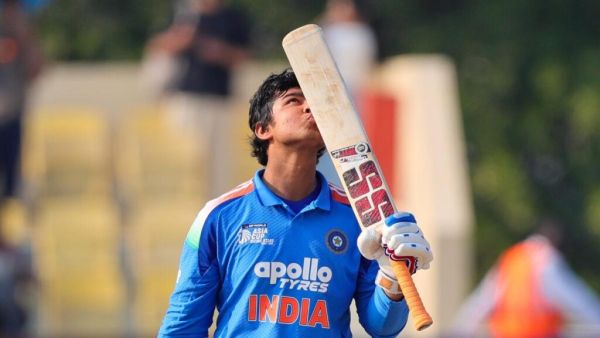
There is a certain pleasure in watching a young cricketer do something that the grown-ups have spent years being told is impossible. Vaibhav Sooryavanshi offered that pleasure in extravagant measure in Doha on Tuesday. At 15, he treated a List A bowling attack with the sort of disdain usually reserved for a schoolboy taking on his younger brother in the garden.
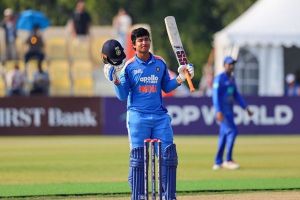
Three consecutive sixes off Zahid Ali in the opening over were an announcement. The rest of the afternoon was an elaboration. Sooryavanshi made 204 off 53 balls for India A against the UAE, reaching his double-century in 52 deliveries.
It was the fastest in List A cricket. His 28 sixes, too, were a record. Yet the numbers, astonishing as they are, tell us less about the young man than the manner in which they were accumulated.There was no elaborate architecture to the innings. Sooryavanshi saw the ball and hit it. The best hitters possess an unusual relationship with time. They seem to have an extra fraction of a second in which to make their decisions. Sooryavanshi, at least on Tuesday, appeared to have several.
His appeal lies partly in this fearlessness. At an age when most young batters are still learning to distinguish between a good attacking option and an act of impatience, he has developed an appetite for imposing himself on the game.
That is not to say he is beyond correction. Quite the opposite. The challenge for those responsible for his development will be to ensure he retains the freedom to play an innings rather than feel compelled to produce a spectacle every time he walks out.There is a temptation to regard such hitting as an entirely natural gift, something bestowed rather than acquired. But the ease can be deceptive. Behind the sixes are hours of repetition, the strength to generate power without losing balance, and the judgement to get himself into positions from which the bat can do its work.
The UAE attack was not the most searching examination he will face. There will be quicker bowlers, subtler variations and occasions when the ball refuses to come so obligingly onto the bat. Those encounters will tell us more about his maturity. His first two appearances in the Rising Stars competition, yielding 26 and 11, were reminders that even prodigious talent does not guarantee success.
But it would be churlish to let the quality of the opposition diminish the spectacle.
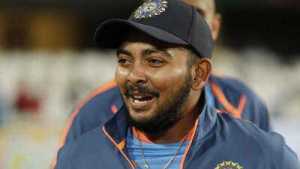
Sooryavanshi scored 204 of India’s 250, and the chase was completed in 14.2 overs.The danger with prodigies is that we hurry to make them symbols of the future before allowing them the ordinary business of growing up. Indian cricket has seen this before. Prithvi Shaw arrived with enormous expectations after his remarkable start in international cricket, including a Test century on debut, but has since struggled to establish the consistency his talent once seemed to promise. Unmukt Chand, the captain of India’s 2012 Under-19 World Cup-winning side, also found the transition from junior cricket to the senior game a difficult one.
Their journeys are different, but they offer a reminder that early brilliance is no guarantee of what follows.Sooryavanshi does not need to be made into the next anything. He needs time, good coaching and the occasional difficult afternoon.
For now, though, there is something wonderfully disarming about a boy who walks out to bat and appears to regard the boundary not as a limit but as an invitation.