
Sandy Verma
Tezzbuzz|21-11-2026
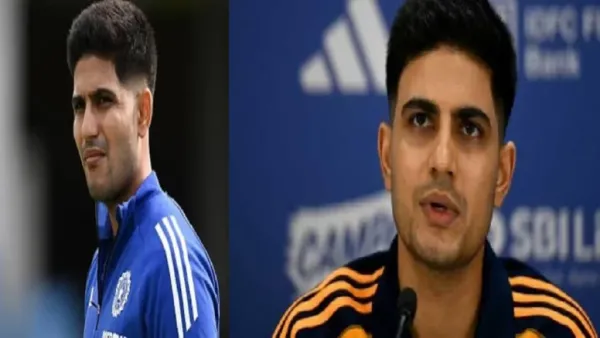
IND vs NZ : Captain Shubman Gill’s decisions in the first Test between India and New Zealand have become a topic of discussion. During the first two days of the match at the Basin Reserve in Wellington, Gill made some DRS decisions that cost the Indian team dearly. At times, he took reviews despite the bowlers’ advice, and at other times, he missed decisions despite the possibility of a wicket. These incidents have raised questions about his captaincy and on-field decision-making.
IND vs NZ: Shubman Gill’s 4 decisions added to India’s woes, raising questions about his captaincy over DRS.
New Zealand scored 368 runs in the first innings
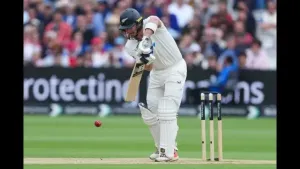
New Zealand scored 368 runs in their first innings. Team India started the match well, reducing the hosts to 70 for five. Henry Nicholls and Glenn Phillips then made things difficult for the Indian bowlers. The two batsmen put on a massive 216-run partnership for the sixth wicket.
Glenn Phillips made a brilliant 118, while Henry Nicholls remained unbeaten on 175. The Indian bowlers applied pressure early on, but this partnership put New Zealand in a strong position.
Wrong review taken despite Bumrah’s advice
On the first day, the Indian players appealed for LBW against Glenn Phillips off Jasprit Bumrah. The on-field umpire rejected the appeal. Bumrah then expressed his concerns about the height of the ball to Shubman Gill. Despite this, Gill decided to take DRS. Replays showed contact between the ball and the bat, and India’s review was unsuccessful.
Gill’s displeasure with the decision was evident on the field. Questions were raised about the decision to take the review despite the bowler’s initial apprehension.
Gill missed the edge of Rachin Ravindra’s bat.
On the very first day, there was a caught behind appeal against Rachin Ravindra off Anshul Kamboj. The ball took the edge of the bat and landed in the gloves of wicketkeeper Rishabh Pant. Pant and the players in the slips suggested Gill take a review, but the Indian captain refused.
UltraEdge later confirmed contact between the ball and bat. This cost India a potential wicket. This was one of the most talked-about decisions by Gill.
He also lost his review against Nathan Smith.
On the second day, Akash Deep’s delivery struck Nathan Smith on the pads. The Indian bowler appealed for LBW, but umpire Kumar Dharmasena did not give the batsman out. Akash Deep was unsure about the height of the ball, but Gill decided to take a review.
Replays showed the ball was going over the stumps, forcing India to lose another review. Despite the bowler’s apprehension, the captain’s decision proved unjustified.
The decision against Matt Henry also proved to be wrong.
On the second day, Akash Deep bowled a short ball to Matt Henry. The batsman missed the ball. Wicketkeeper Rishabh Pant appealed, but Akash Deep himself did not. Shubman Gill, standing at first slip, thought the ball had taken the edge of his bat. He decided to take DRS.
However, replays showed a clear gap between bat and ball. The snickometer also failed to indicate contact. India lost another review.
New Zealand’s big partnership added to India’s troubles
India made a strong start on the first day, dismissing New Zealand for five early wickets. However, Henry Nicholls and Glenn Phillips turned the match around with a 216-run partnership. Phillips was dismissed by Akash Deep for 118. Nicholls continued his innings and remained unbeaten on 175.
New Zealand’s first innings ended at 368. For India, Jasprit Bumrah took four wickets, Akash Deep three, and Anshul Kamboj two. Prasidh Krishna took one wicket.
Questions raised on Gill’s captaincy
Proper use of the DRS is crucial in Test cricket. A team has limited reviews, and wrong decisions can cost a crucial wicket-taking opportunity. Some of Shubman Gill’s decisions have raised questions about this strategy of the Indian team.
While it’s unfair to judge a captain’s overall abilities based on a single match’s poor decisions, Gill certainly felt the need to use the DRS and pay more attention to the bowlers’ advice in this match against New Zealand.
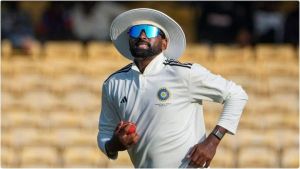
IND vs NZ: Dropping Mohammed Siraj Right Decision? Stats Reveal Truth
De Villiers calls Usman Khawaja 'biggest traitor'; Cummins' captaincy faces threat as sandpaper shockwaves reverberate
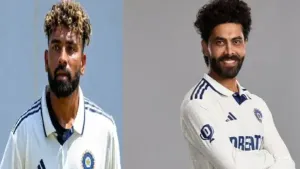
IND vs NZ 1st Test: Siraj and Jadeja miss out, Shubman Gill picks a team of 4 fast bowlers
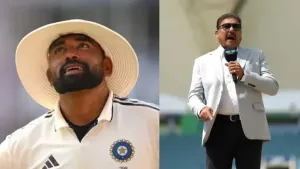
Why weren't Siraj given a chance? Ravi Shastri angry over India's strategy against New Zealand