Samira Vishwas
Tezzbuzz|19-11-2026
Delhi: If we look into the history of the ICC, it will not take long to understand that England and Australia had such dominance over the ICC, due to the conditions they made themselves, that a representative of the cricket board of any Test playing country from Asia could not even think of becoming the ICC Chief. The way the equation of influence in cricket changed after India's 1983 World Cup victory, it also affected the ICC and believe me, between 1997 and 2026, 5 Indian cricket officials have become ICC Chief.
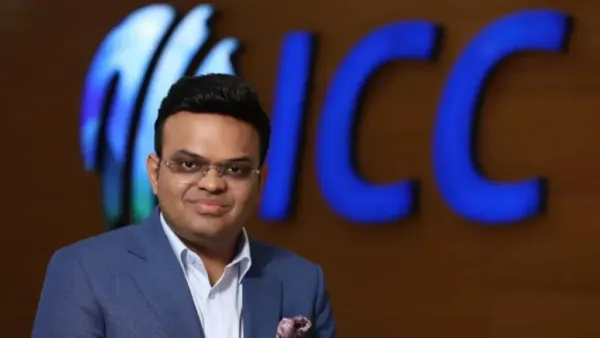
Even the current situation is that Jay Shah was elected ICC Chief for the second term without any opposition. It does not matter whether his position is called President or Chairman. All of them left an imprint on the ICC with their work and decisions. Even the headquarters of ICC shifted from Lord's (England) to Dubai.
1. Jagmohan Dalmia (President: 1997–2000):
He became the first Asian and first non-white President of the ICC. When he joined ICC, this biggest global organization of cricket had only 16 thousand dollars in its treasury and when he left in 2000, ICC had transformed into an organization worth several million dollars. The balance of power in world cricket was changed forever. In 1998 the ICC Knockout Trophy was introduced which is now the Champions Trophy. Gave Test status to Bangladesh in 2000.
2. Sharad Pawar (President: 2010–2012):
This was one of the most turbulent times in modern cricket, but with his political acumen and proper administration, he created a policy of 'zero-tolerance' to protect cricket from corruption. The spot-fixing crisis had come before him and as a result of his strict action, the cricketer also went to jail. He was also behind the successful 2011 World Cup in India, Sri Lanka and Bangladesh and even pulled out a high-profile match from Eden Gardens due to lax preparation. An independent 'Wolf Report' was also prepared to lay the foundation for future constitutional reforms.
3.N Srinivasan (Chairman: 2014–2015):
He was the architect of the 'Big Three'. He was the first 'Chairman' of ICC. With this, the powers of the ICC Chief increased drastically and considering India's contribution in ICC's earnings, India's share in the profits was also increased in the same proportion. From there, India's 'strength' increased exponentially. Till today BCCI is getting the benefit of this change. The three different decision-making committees in the ICC were merged into one and it was also decided that representatives of the Big Three would definitely be present in it. The boards of smaller cricket countries criticize him on this issue. However, when he was accused of conflict of interest in IPL, he had to withdraw from ICC.
4. Shashank Manohar (President: 2015–2020):
Shashank Manohar followed the policy of 'equality' of all ICC member countries. To avoid any allegations of conflict of interest, he ended all relations with the BCCI and became the first, completely independent, elected President of the ICC. To end the dominance of the Big Three, they fell behind. Even the permanent seats of the representatives of the three major Test nations in the most special committee were removed. The method of distribution of income changed, due to which India's share was reduced. Other Test countries benefited from this. Afghanistan and Ireland were given Test status. Started the ICC World Test Championship and also brought the first independent female director to the ICC.
5. Jai Shah (President: 2024 to now):
Jay Shah is the youngest ICC Chief, who is now in his second term. Jay Shah's biggest focus is on increasing commercial impact and multi-sport integration. This led to the decision to return cricket to the Olympics and to play cricket in the Los Angeles Olympics in 2028. The franchise T20 league has not yet been allowed to 'swallow' the Test, ODI and T20 formats. Gave equal status to women's cricket. The count of ICC member countries has reached 111.
Another important thing is that out of the five ICC Chiefs who have been appointed from India, none of them has a background in cricket but no one raised any objection on this. ICC records note that the ICC has made further progress under the leadership of Indian chiefs: Jagmohan Dalmiya and N Srinivasan were industrialists, Sharad Pawar is a politician, Shashank Manohar is a lawyer by profession while Jay Shah is a businessman and the son of India's Home Minister Amit Shah.
FAQ
Who became the first Indian head of ICC?
Jagmohan Dalmiya became the first Indian and first Asian President of ICC. He held this responsibility from 1997 to 2000.
How many Indians have become ICC chiefs so far?
So far, five Indian cricket officials have become ICC chief. These include Jagmohan Dalmiya, Sharad Pawar, N Srinivasan, Shashank Manohar and Jai Shah.
Who is the current chairman of ICC?
Jay Shah is the current chairman of ICC. He has been elected unopposed for the second term.
Former England spinner hails MS Dhoni’s shift to mentor as right call
Rohit's struggles, Axar's dilemma and India's World Cup lessons from New Zealand
Damru At Varanasi Cricket Stadium Catches Jay Shah's Eye, ICC Chief Makes Big Promise
'How Does Media Manager Know?': Ex-England Captain's Question Rocks Australia In Sandpaper Row